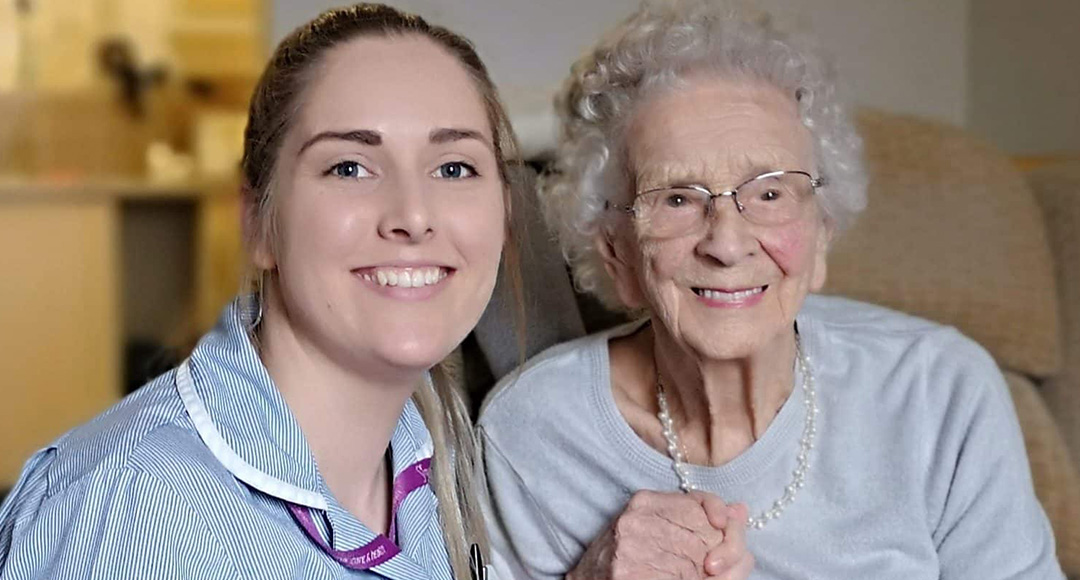
A pioneering initiative to improve the treatment of minor skin tears in care homes has delivered impressive results, saving valuable nursing hours and accelerating wound healing for elderly residents.
Minor skin tears are a common challenge in care homes, particularly among frail and elderly individuals. Timely and accurate treatment within the first 24 hours is crucial to prevent complications. However, care staff often lacked the training to apply appropriate first aid and dressings, leading to delays and potential trauma when district nurses wound visit potentially 24-48hrs later to remove incorrect dressings and restart treatment.
To address this, a pilot programme was launched in Weston-super-Mare across 10 care homes. Senior carers—already trained in medicines management—received additional training to identify minor skin tears, administer correct first aid, and apply a standard dressing to remain in place for 7 days. They were also taught to monitor wounds for signs of inflammation or pain, referring to district nurses only when necessary or if the wound had not healed after 7 days.
Each dressing application was documented using a simple form monitored by Sirona, ensuring consistency and accountability.
The results were striking: in just six months, over 60 skin tears were successfully managed by trained carers, saving approximately 180 hours of district nursing time. Residents received faster, more effective care, and wounds healed more quickly.
Following the pilot’s success, the programme has now been rolled out across Bristol, North Somerset, and South Gloucestershire, with a structured plan to train senior carers in new homes joining the initiative.
Andrew Powell, Locality Manager for Weston and Worle, praised the programme:
“It’s a win-win-win situation. Staff feel empowered to help their residents, residents get the right care fast, and it saves district nursing hours that can be used on other things.”
This initiative marks a significant step forward in community-based healthcare, demonstrating how targeted training and collaboration can enhance care quality while easing pressure on nursing resources.