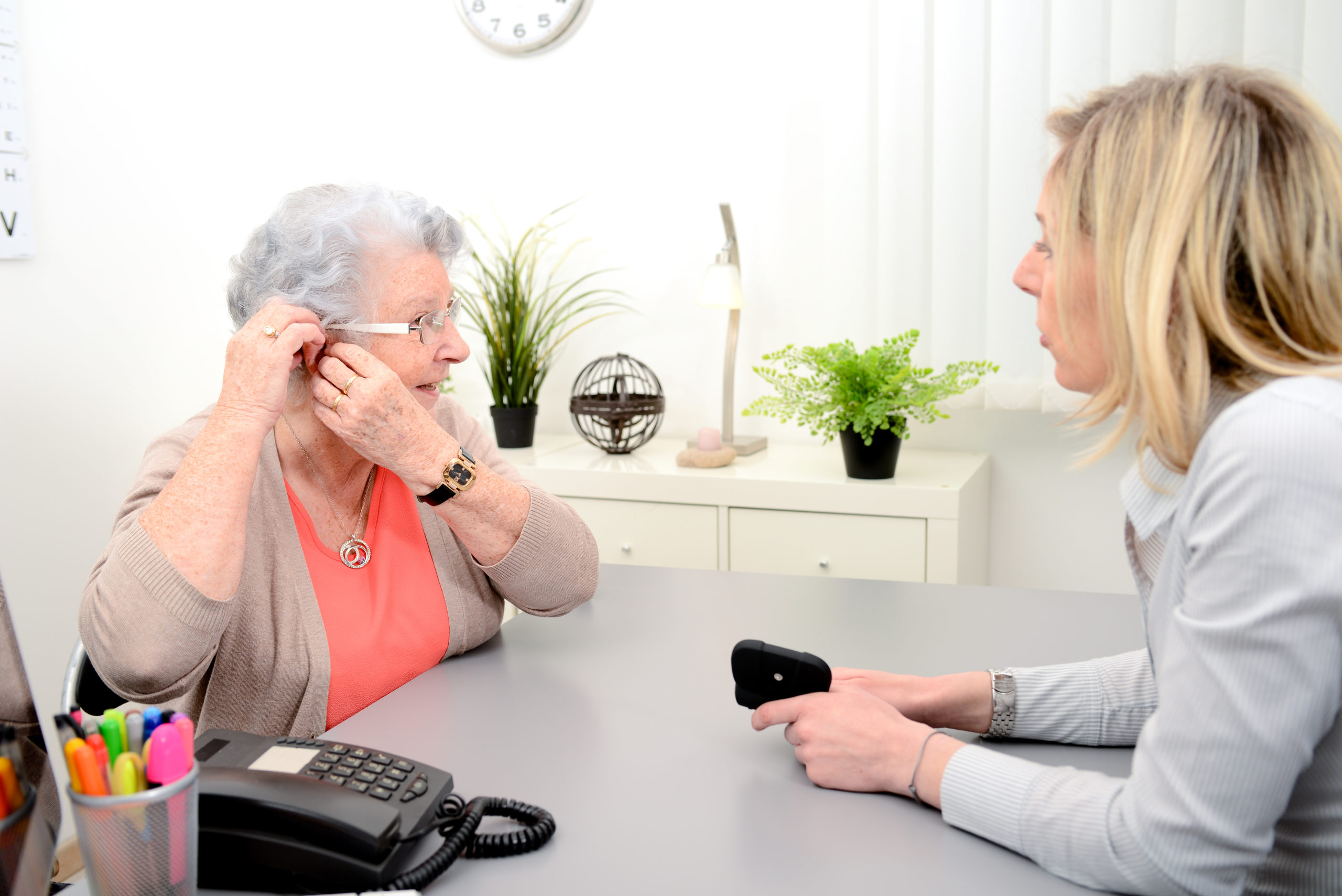
Do you have a communication need?
We want everyone to be able to access our services. We want to know if you have any communication needs or if you need information in a different way.
We will ask you if you have any additional needs or requirements before your appointment. This could include:
- special assistance at your appointment.
- an interpreter to attend your appointment with you.
- information in a different format, such as large print, contrasting colours, braille, and audio. We can also translate letters and documents into other non-English languages.
- asking us to contact you in a certain way.
You can read our Accessible Information Policy for full details of our approach to providing accessible information and communication to support people in our care, parents, and carers.

Who should you contact?
If you have a specific communication need, please contact the service which is treating you. Their contact details will also be available on letters they have sent to you.
We provide a range of services to ensure you and your carers receive the information and communication support you need, including the sections outlined below.
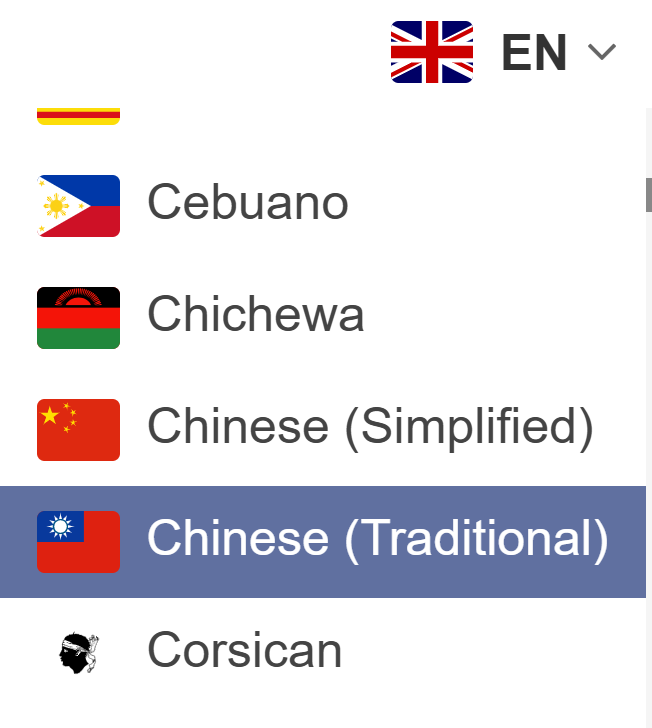
Website translations
To translate website into different languages, click on the flag symbol in the bottom-right corner of the page. Then select your preferred language in the pop-up box.
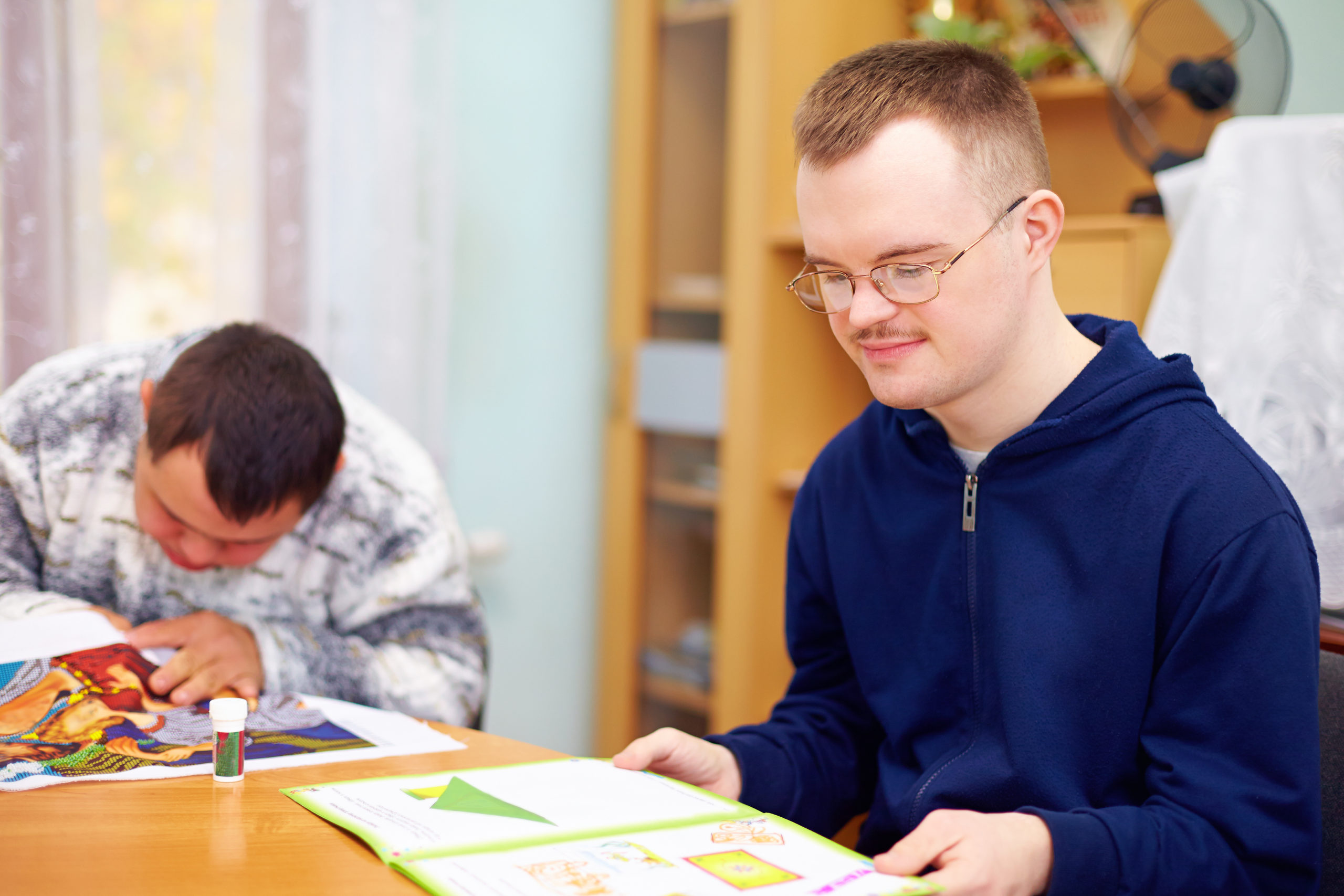
Information in an alternative format
We can provide information in a range of formats to meet your needs.
We can provide accessible copies of our letters, leaflets and other documents, including large print, contrasting colours, Braille and audio. We can also provide information in electronic formats such as text and email.
We can also translate written information into other languages and Easy Read format.
If you need information in another way, please contact the service which is treating you.

Interpreting services
We have access to a range of interpreting support for our patients, including British Sign Language and other non-English language interpreters.
An on-demand British Sign Language video interpreting service run by InterpretersLive! is also available. See our British Sign Language video interpreting service page for details of how to contact InterpretersLive! and receive this service.

Support for autistic people and people with a learning disability
The Community Learning Disabilities Team and Autism Liaison Nurse Service work with people to help them to understand and make choices about their health.
They work both directly with the person who needs support, and indirectly through family and support workers.

Your feedback about accessible information and communication
We would like to hear about your experiences of accessible information and communication. This will help us identify the things that we do well and anything we could improve.
To give us your feedback, or to raise an issue, query or concern, please email our Experience and Complaints Team using sirona.experienceandcomplaints@nhs.net or call 0300 124 5400 (Monday to Friday, 8.30am to 4.30pm).
You can also view videos with information in easy read and BSL about how to make a complaint on the raise a concern or complaint page.

About the NHS Accessible Information Standard
The NHS Accessible Information Standard sets out a specific, consistent approach to identifying, recording, flagging, sharing and meeting the information and communication support needs of patients, service users, carers and parents with a disability, impairment or sensory loss. Read more about the Accessible Information Standard on the NHS England website