
What inspired you to become a podiatrist and what do you enjoy most about working in this field?
From a young age, I was fascinated by the human body and understanding how it works. As I grew older, I developed a strong interest in biology, which led me to explore different healthcare professions. During that process, I became interested in nursing, and it was through that interest that I discovered podiatry. Learning more about the profession made me realise how important foot and lower limb health are to overall wellbeing, which led me to study podiatry and pursue it as a career.
What I particularly enjoy is working with patients at high risk. This area of podiatry allows me to use detailed clinical assessment and clinical judgement to support patients with complex needs, help prevent complications and contribute to better long-term outcomes. It is a challenging but a very rewarding area of practice.
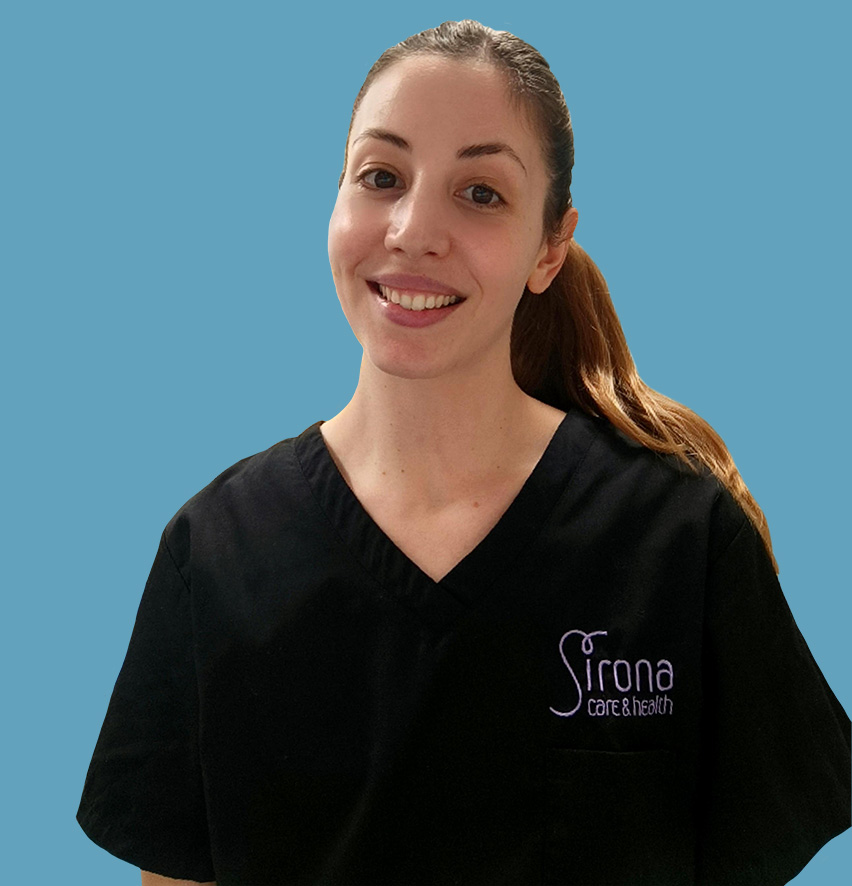
What makes Sirona a great place to work and how does your team support each other?
Sirona is a great place to work because there is a strong emphasis on multidisciplinary working, autonomy and professional respect.
The team is very supportive and approachable, with a culture of shared learning and collaboration. This creates a safe environment to discuss cases and seek advice if required.
What does a typical day look like for you, and how does your work make a difference in patients’ lives?
No two days are the same. My role includes clinic-based appointments and home visits, including first assessments, routine care, wound care of high-risk patients and urgent cases.
By providing timely assessment, treatment or referral, we help prevent complications and manage risk. This has a direct and meaningful impact on patients’ independence, safety and overall quality of life.
What is the most rewarding part of your job?
The most rewarding part of my job is seeing how good clinical assessment and decision-making can make a difference to patient’s outcomes. Supporting patients to prevent avoidable complications and helping people remain mobile and independent is very fulfilling.
I honestly think that the best thing of all is always the gratitude of the patients.
What key skills are essential for success in podiatry?
For success in podiatry I believe that patience is extremely important. Good clinical eye to recognise subtle signs and potential risks is important, as well as having an overall view of the patient.
It is key understanding how foot and lower limb issues relate to their mobility, lifestyle and social circumstances.
Communication, adaptability and resilience are also important, particularly when managing complex/urgent/high-risk cases.
What opportunities for professional development have you received at Sirona to allow you to keep learning and growing in your role?
Sirona supports ongoing professional development through CPD, training opportunities and clinical support. I have been able to continue developing my skills, including high-risk foot care and wound management – through webinars, attending courses and I also had the opportunity to attend the last podiatry conference which was a great experience and opportunity.
Since I started working here two and a half years ago, I have received ongoing support from colleagues and managers through regular one-to-one meetings, where I have had the opportunity to discuss any concerns as well as areas I am interested in developing or improving.
What advice would you give to someone thinking about a career in podiatry at Sirona and what qualities do you think make a great podiatrist?
I would encourage anyone considering podiatry to see it as a diverse and rewarding profession. At Sirona, podiatrists work across clinics, community settings playing a vital role in patient care.
A great podiatrist is observant, patient and able to take a holistic approach. If you enjoy clinical variety, responsibility and making a meaningful difference to people’s lives, podiatry at Sirona is an excellent career choice.
If you had to describe the heart of your work in three words, what would they be?
Assessment, care and prevention.


